To play this video, you must accept cookies from US providers.
For details, please see Cookie Settings in
our Privacy Policy.
Consent to the setting of cookies from US providers can be given
either here or
under Cookie Settings in our Privacy
Policy The revocation of consent already
given can be done in the same way.
Work On Progress
Construction can also be done sustainable - that's the way we do things
At STRABAG, more than 89,000 creative and clever minds are endeavoring to make the future of the company and the construction industry more sustainable. We know the construction sector is responsible for 38 % of global greenhouse gas emissions. That means the challenge of reducing CO2 is truly significant. At the same time, we have the opportunity to make a tangible difference here. Because that is precisely what drives us: STRABAG wants to set the pace for the climate-friendly and resource-efficient construction of tomorrow.
To revoke the consent granted for the setting of cookies from US
providers, please click here. Alternatively,
you can revoke your consent under Cookie Settings in
our Privacy
Policy.
In our Strategy 2030, we have set ourselves an ambitious goal: to achieve climate neutrality in our own business operations by 2040. We view the transformation required to achieve this as a commitment we have made to ourselves, and we employ targeted levers to make it happen: Through approximately 250 innovation and 400 sustainability projects, we collaborate with our technology and research partners on many levels to drive this progress. It will be a lot of work, but we know how to tackle tough challenges, and we can build the bridge to a sustainable future. Work On Progress – our lighthouse projects across three major strategic areas illustrate what we mean by this.
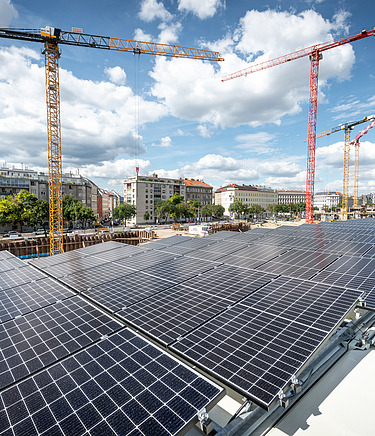
Less is more when it comes to climate protection. Through specific projects, we are constantly working to reduce climate-damaging greenhouse gas emissions across all areas of our business. This starts with low-emission raw material extraction all the way to the use of low-carbon concrete and steel types and extends to the electrification of vehicles and construction machinery.
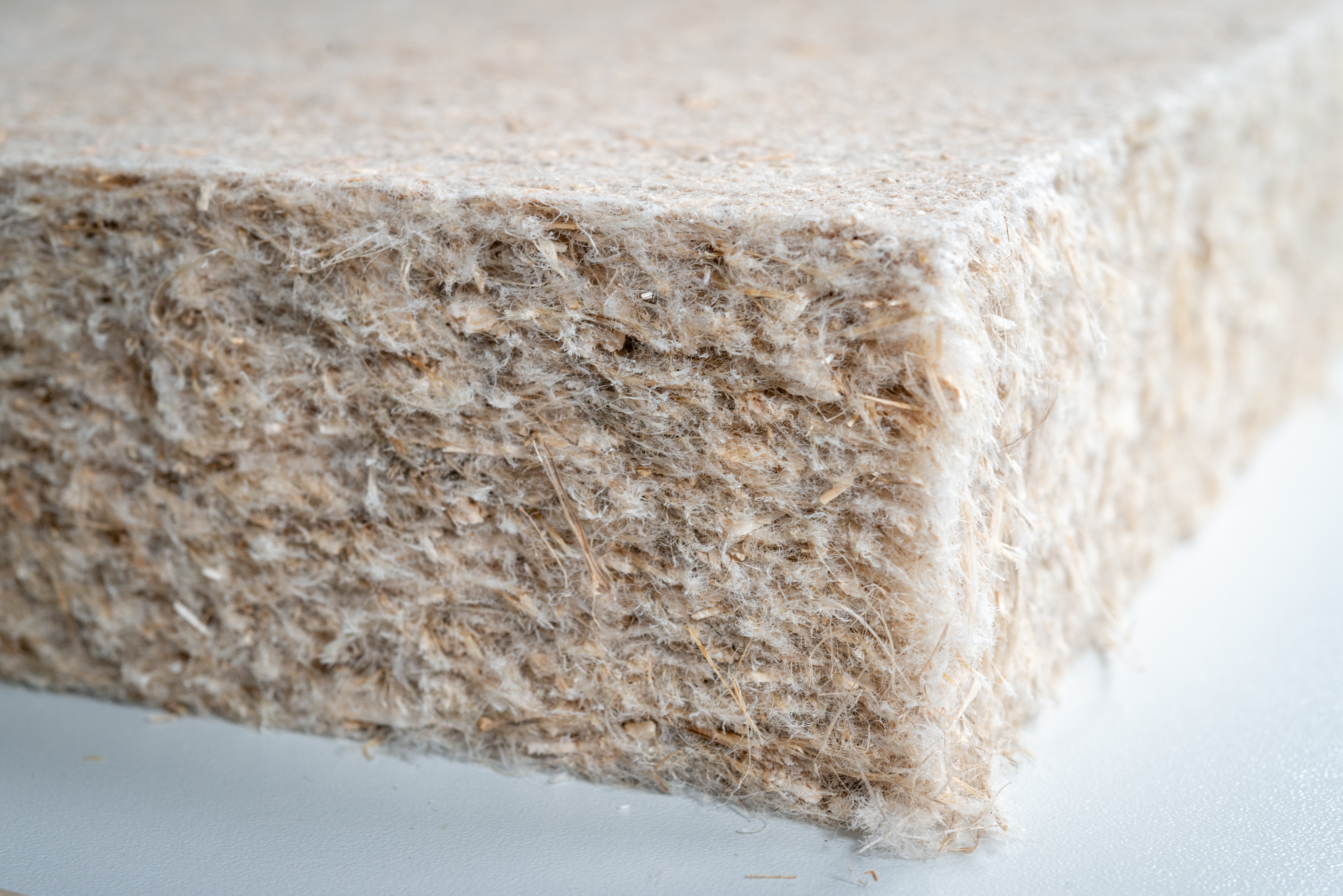
No valuable raw materials are left to waste. Today, buildings are no longer the final destination for construction materials, but a stop in their life cycle. Even before they are used the first time, we have a look at how and in what form they can be reused.
For us, progress means forging new paths and achieving better results. With digital tools and innovative technology, we build more quickly and more efficiently. Thus, the foundations of our structures are not only built from concrete, but from state-of-the-art data management as well.